Launching a Shopify store is only the first step. Even the most well-designed storefront cannot generate sales without a consistent flow of qualified visitors. For many merchants, mastering how to get traffic to your Shopify store is the most critical hurdle to clear after launch.
Traffic generation is not about chasing every available marketing channel. Successful brands focus on attracting the right audience through a combination of search visibility, paid advertising, email marketing, content creation, and customer retention. By attracting customers from several sources, merchants can reduce dependence on a single traffic source while creating a more predictable path to growth.

Start With Search Engine Optimization
Organic search remains one of the most valuable traffic channels for Shopify stores. Unlike paid advertising, search engine optimization continues generating traffic long after content is published.
A strong SEO strategy should focus on:
-
- Product page optimization
- Collection page optimization
- Keyword-targeted content
- Internal linking
- Technical site performance
- Structured data implementation
Merchants researching how to get traffic to your Shopify store often overlook technical SEO issues that prevent search engines from properly crawling and indexing content.
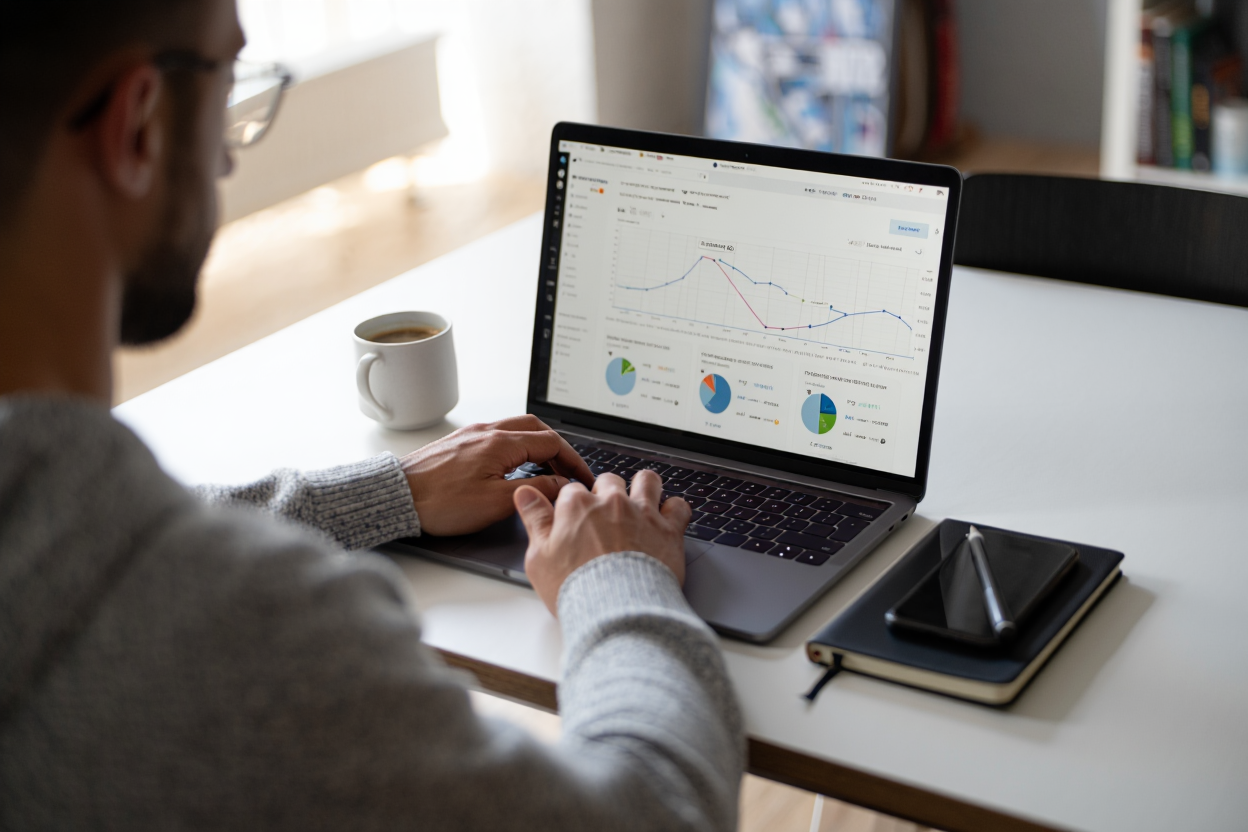
Optimizing site architecture and page speed drives organic visibility while creating a frictionless customer experience. Businesses looking to strengthen their organic search presence may benefit from professional Shopify SEO services and strategic technical improvements.
Invest in High-Intent Paid Advertising
While SEO provides long-term benefits, paid advertising can generate traffic immediately.
Platforms commonly used by Shopify merchants include:
-
- Google Ads
- Meta Ads
- TikTok Ads
- Pinterest Ads
- Microsoft Ads
The key is targeting users with clear purchasing intent rather than focusing exclusively on traffic volume.
High-quality traffic converts more effectively than large amounts of untargeted visitors. Merchants should continuously monitor return on ad spend, conversion rates, and customer acquisition costs to ensure advertising campaigns remain profitable.
Build an Email Marketing Engine
Email remains one of the highest-performing marketing channels for e-commerce brands.
Every visitor who joins your email list becomes an opportunity for future revenue generation. Welcome sequences, abandoned cart campaigns, product launch announcements, and customer retention campaigns can all contribute to long-term growth.
For many businesses, email retention is vital; knowing how to get traffic to your Shopify store via owned channels allows you to re-engage previous visitors without relying entirely on paid acquisition.
As stores scale, integrating email marketing with customer segmentation and automation workflows can significantly improve marketing performance.
Create Content That Supports Purchase Decisions
Content marketing helps attract visitors who are actively researching products and solutions.
Examples include:
-
- Buying guides
- Product comparisons
- Educational articles
- Industry resources
- Frequently asked questions
Well-structured content can generate traffic through search engines while helping customers move closer to a purchase decision.
When content is aligned with customer intent, it supports both traffic growth and conversion performance. Merchants working with experienced Shopify specialists often combine content marketing with technical SEO improvements to increase search exposure.
Leverage Social Media Strategically
Social media can be an effective traffic source when aligned with your overall marketing strategy.
Rather than posting content without a clear strategy, merchants should focus on:
-
- Product demonstrations
- User-generated content
- Customer success stories
- Educational content
- Promotional campaigns
The goal is not simply engagement. The goal is moving qualified visitors into your sales funnel.
Social media performs best when it complements SEO, email marketing, and paid advertising rather than operating as a standalone traffic strategy.
Improve Store Performance Before Scaling Traffic
Many merchants focus on generating traffic before evaluating whether their store is prepared to convert visitors.
Store performance directly impacts:
-
- Bounce rates
- Conversion rates
- Search visibility
- Advertising efficiency
Slow-loading pages, poor mobile experiences, and confusing navigation can reduce the effectiveness of every traffic source.
Businesses looking to improve performance may benefit from Shopify Website Development services to ensure the storefront supports future growth. Improving technical performance often produces better results than increasing advertising spend alone.
Use Customer Retention to Generate Repeat Traffic
Acquiring new visitors is important, but retaining existing customers is often more profitable.
Repeat customers frequently return through:
-
- Email campaigns
- SMS marketing
- Loyalty programs
- Subscription programs
- Product replenishment reminders
Strong retention strategies help merchants maximize the value of every acquired customer.
Merchants seeking sustainable growth often invest in both acquisition and retention initiatives rather than focusing exclusively on new customer generation.
Common Traffic Sources for Shopify Stores
| Traffic Source | Speed of Results | Long-Term Value |
|---|---|---|
| SEO | Slow | High |
| Google Ads | Fast | Medium |
| Meta Ads | Fast | Medium |
| Email Marketing | Medium | High |
| Content Marketing | Slow | High |
| Social Media | Medium | Medium |
| Referral Programs | Medium | High |
Why Diversification Matters
One of the biggest mistakes merchants make when learning how to get traffic to your Shopify store is becoming dependent on a single channel.
Algorithm changes, advertising costs, and platform updates can significantly impact performance. Diversifying traffic sources helps reduce risk while creating more stable growth over time.
Successful brands rarely rely on a single source of traffic. Instead, they combine SEO, paid advertising, email marketing, content creation, and customer retention efforts to keep new and returning customers coming to their store.
Merchants looking for long-term scalability frequently work with Shopify Consulting specialists to identify the most effective combination of traffic sources based on their products, audience, and growth objectives.
Measuring Traffic Performance
Generating traffic is only one part of the equation. Merchants must also understand how visitors interact with their store.
Key metrics to monitor include:
-
- Organic traffic growth
- Conversion rate
- Average order value
- Customer acquisition cost
- Bounce rate
- Returning visitor percentage
Tracking these metrics helps identify which channels generate the highest-quality traffic and where future investments should be focused.
Conclusion
Driving sustainable revenue requires more than simply increasing visitor counts; mastering how to get traffic to your Shopify store means attracting high-intent buyers and building loops for repeat purchases.
Merchants who invest heavily in organic search infrastructure, structured paid acquisition, content loops, and lifecycle email automation scale faster than those relying on a single, vulnerable marketing channel.
If your business needs help improving traffic generation, optimizing store performance, or building a growth plan that can support expansion, the team at ZISSU Global can help. From Shopify Consulting and Shopify Website Development to conversion optimization and platform improvements, ZISSU works with merchants to build stores designed for long-term growth. If you are planning a new store launch or need help scaling an existing business, visit Work With Us to discuss your project.
